Skip to content
A little charge. A world of possibilities.
NewsContact usLog inSign up ↗
EV-Lectric
Plan a TripEV DriversBusinessEV GearResourcesCompany
Find a charger
EV-Lectric

A little charge. A world of possibilities. Find your next charging stop, get to know your EV, and enjoy the road ahead.

Drivers

Find ChargersHow It WorksEV GearGuidesNews

Businesses

For BusinessesAdvertiseList Your ChargerAboutContact

Legal

Privacy PolicyTerms of ServiceCookie PolicyAffiliate DisclosureData Sources

Account

My DashboardSign InCreate Account

As an Amazon Associate, EV-Lectric earns from qualifying purchases. Some links on this site are affiliate links — see our affiliate disclosure.

© 2026 EV-LectricCharging data by Open Charge Map ·
Home/Guides/J1772 vs NACS: What EV Drivers Need to Know
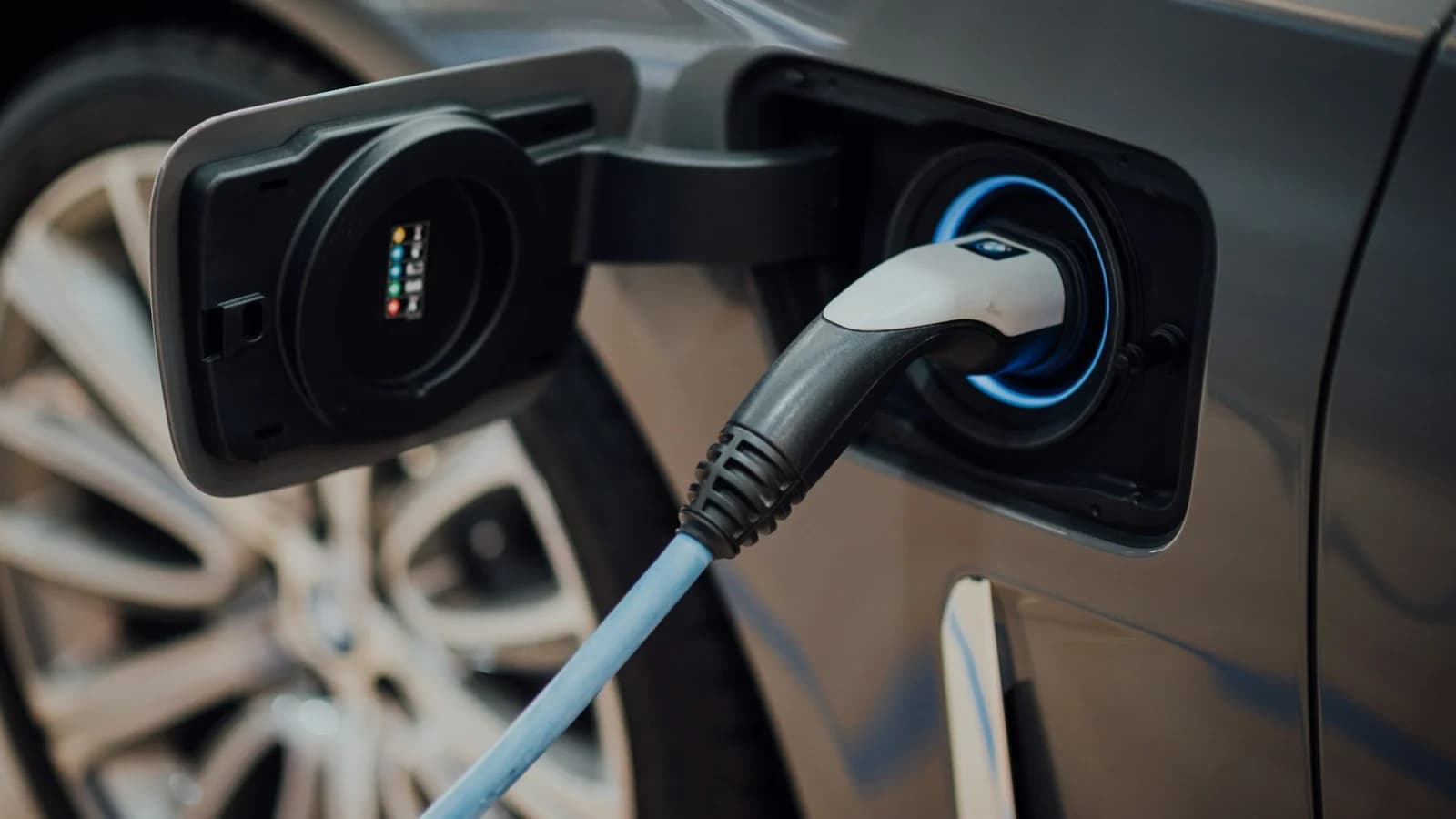
A charging plug seated inside an electric vehicle's illuminated charging port.
Photo by CHUTTERSNAP on Unsplash
ConnectorsOctober 4, 20266 min read

J1772 vs NACS: What EV Drivers Need to Know

J1772 and NACS are the two connectors you'll meet at North American Level 2 chargers. The good news: an inexpensive AC adapter makes the difference almost irrelevant — once you understand which side of it you're on.

J1772 — the incumbent AC standard

J1772 (the "J-plug", also called Type 1) has been the standard AC charging connector for non-Tesla EVs in North America since the modern EV era began. Non-Tesla EVs built before the NACS transition use it natively, and most of the installed base of public Level 2 chargers — workplaces, garages, hotels, curbside posts — carries J1772 handles.

The connector itself is AC-only, rated up to 80 A (about 19.2 kW at 240 V) — which is why DC fast charging needed the CCS1 design, which adds two large DC pins below the J1772 shape.

NACS — the connector North America is moving to

NACS is Tesla's connector design, standardized by SAE International as J3400. Nearly every major automaker selling EVs in North America has adopted it or committed to adopting it. It's smaller and lighter and handles both AC and DC through one plug, and adopting it brings access to the Supercharger network — key reasons the industry moved toward it.

The rollout is gradual. Some brands already build cars with native NACS ports, while others still ship CCS1/J1772 ports on some models and rely on adapters until their next model-year updates. Meanwhile, most public Level 2 infrastructure is still J1772. That mixed world is exactly what adapters are for.

The adapter matrix

  • NACS car at a J1772 charger: J1772-to-NACS adapter — the single most useful accessory for new-generation EV owners; keep it in the car.
  • J1772 car at a NACS home charger: NACS-to-J1772 adapter — increasingly relevant as homes install NACS wall units.
  • AC adapters are simple and inexpensive; a quality, safety-certified one rated for the charger's current shouldn't slow Level 2 charging.
  • Check the box first: some cars with NACS ports come with a J1772 adapter included.
  • This is AC-only advice: DC fast-charging adapters (for Supercharger or CCS1 access) are a separate, higher-stakes purchase — use units your car's manufacturer approves.

Which home charger should you buy during the transition?

Buy the connector matching your primary car, and bridge the rest of the driveway with an adapter. If you're buying for the long term and expect to replace vehicles, NACS is likely the more future-proof connector in North America given automakers' commitments — with a J1772 adapter for older cars rather than the other way around. Some home chargers also offer swappable or dual connectors, which sidesteps the question.

FAQ

Common Questions

Will J1772 chargers become useless?

Not for the foreseeable future. The installed base is very large, and inexpensive AC adapters let NACS-port cars use it. J1772 public charging should remain usable for any EV — natively or via adapter — for many years.

Is there a charging speed difference between J1772 and NACS on AC?

Not in normal home and public Level 2 use. Both handle typical Level 2 currents, and your car's onboard charger and the charging station's rating are the real limits, not the connector shape. (When using an adapter, also respect the adapter's current rating.)

Do I need both adapters?

Usually just one: the adapter that lets your car use the other ecosystem's chargers. NACS-car owners want J1772-to-NACS; J1772-car owners with a NACS home unit want the reverse.

Recommended Gear

Gear That Pairs With This Guide

As an Amazon Associate, EV-Lectric earns from qualifying purchases.

Lectron Level 2 J1772 Charger (WiFi Version)
Chargers

Lectron Level 2 J1772 Charger (WiFi Version)

A portable Level 2 charger for drivers who want app-connected home charging without a permanent wall-box install.

Price on AmazonView product
EVIQO Level 2 NACS Charger Compatible with Tesla
Chargers

EVIQO Level 2 NACS Charger Compatible with Tesla

A Tesla-ready home charger for NACS drivers who want a clean Level 2 setup without relying on adapters.

Price on AmazonView product
EVIQO EV Charger Level 2 48 Amp Hardwired Station
Chargers

EVIQO EV Charger Level 2 48 Amp Hardwired Station

A higher-output home charging station aimed at drivers who want a more permanent garage setup with strong daily charging capacity.

Price on AmazonView product
Keep Reading

Related Guides

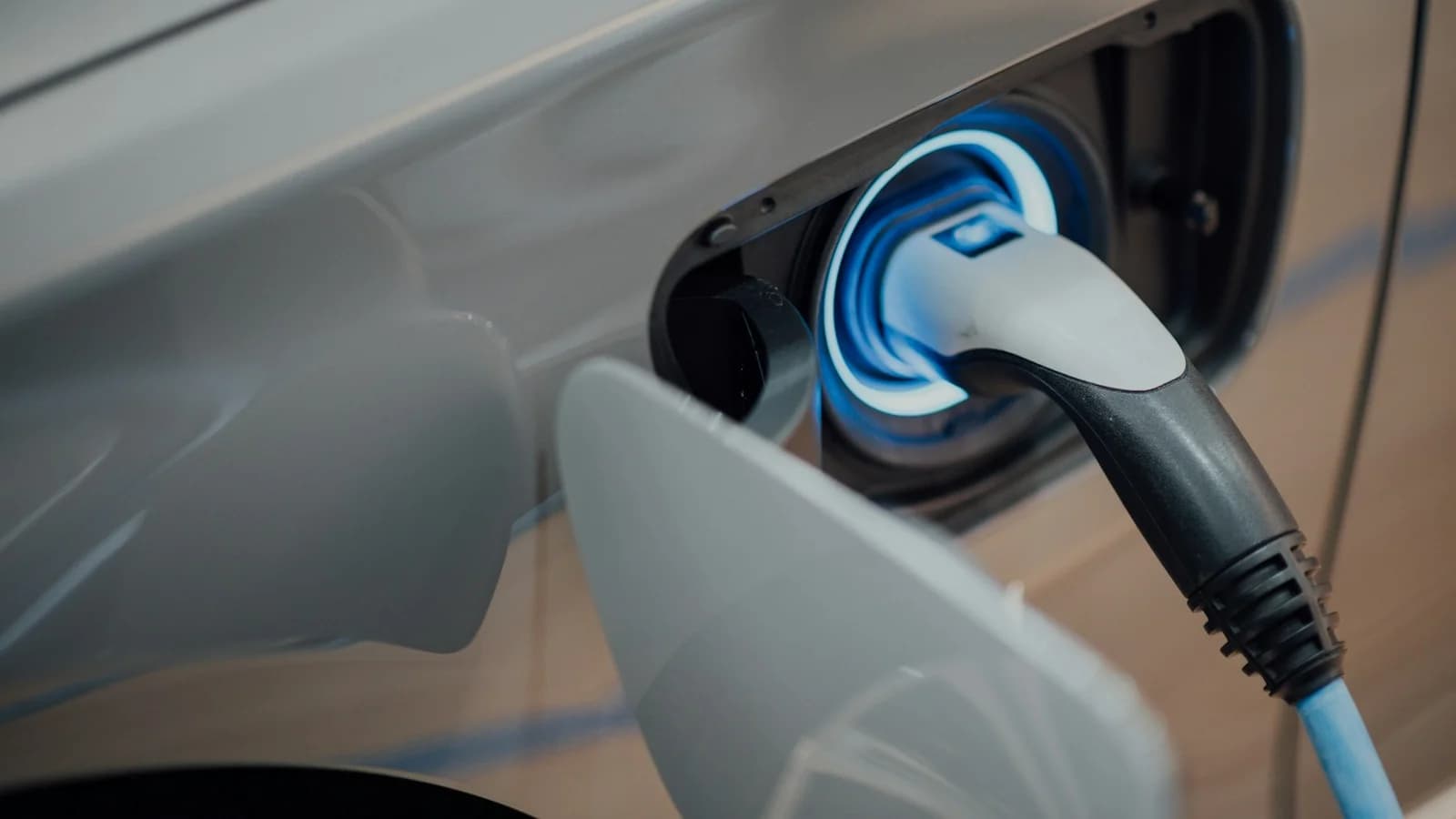
A close-up of a charging connector and cable plugged into an electric car.Connectors

NACS vs CCS vs CHAdeMO Explained

The three fast-charging connectors compared: which cars use NACS, CCS, and CHAdeMO, what's changing in North America, and which adapters are worth buying.

Read guide
A charging pedestal and parked electric car outside a residential building.Charging Basics

EV Charging at Apartments and Condos

How to own an EV without a garage: building charging strategies, talking to landlords and HOAs, right-to-charge laws, and public charging routines that work.

Read guide
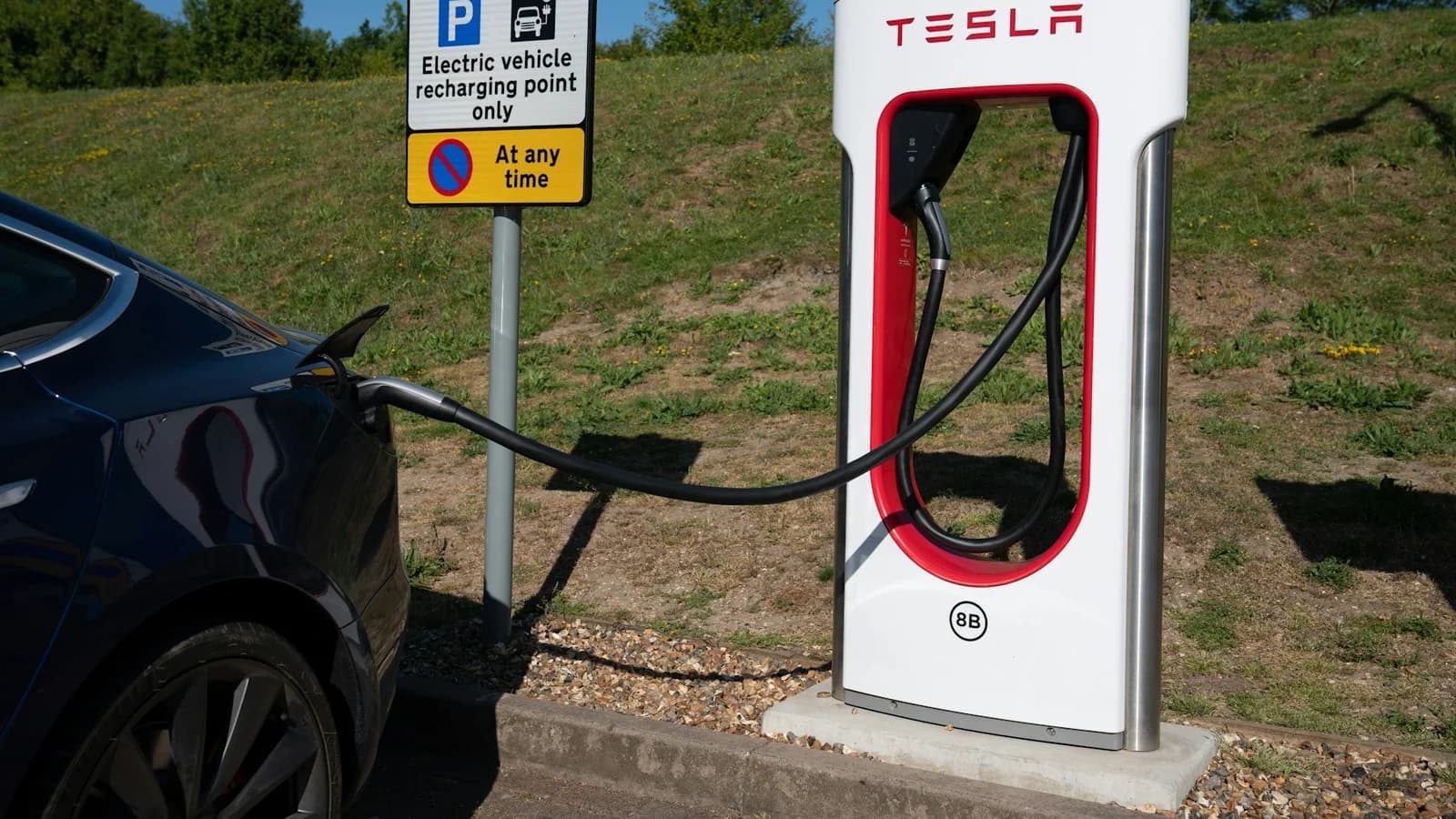
A Tesla connected to a Supercharger beside an EV charging bay sign.Charging Basics

Level 1 vs Level 2 vs DC Fast Charging

What EV charging levels actually mean in hours and miles: when a wall outlet is enough, when to install Level 2, and how to use DC fast charging well.

Read guide