Skip to content
A little charge. A world of possibilities.
NewsContact usLog inSign up ↗
EV-Lectric
Plan a TripEV DriversBusinessEV GearResourcesCompany
Find a charger
EV-Lectric

A little charge. A world of possibilities. Find your next charging stop, get to know your EV, and enjoy the road ahead.

Drivers

Find ChargersHow It WorksEV GearGuidesNews

Businesses

For BusinessesAdvertiseList Your ChargerAboutContact

Legal

Privacy PolicyTerms of ServiceCookie PolicyAffiliate DisclosureData Sources

Account

My DashboardSign InCreate Account

As an Amazon Associate, EV-Lectric earns from qualifying purchases. Some links on this site are affiliate links — see our affiliate disclosure.

© 2026 EV-LectricCharging data by Open Charge Map ·
Home/Guides/NACS vs CCS vs CHAdeMO Explained
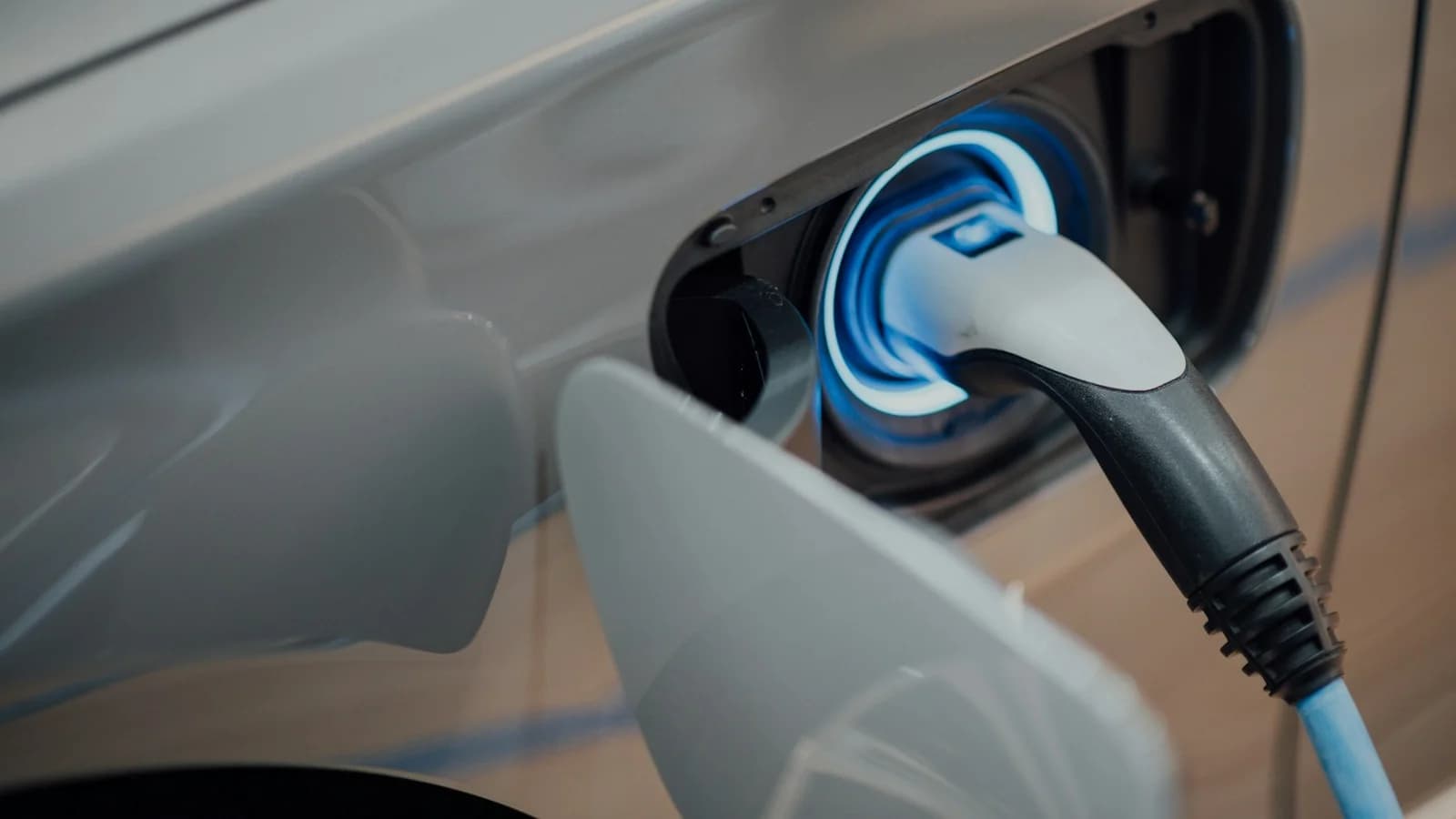
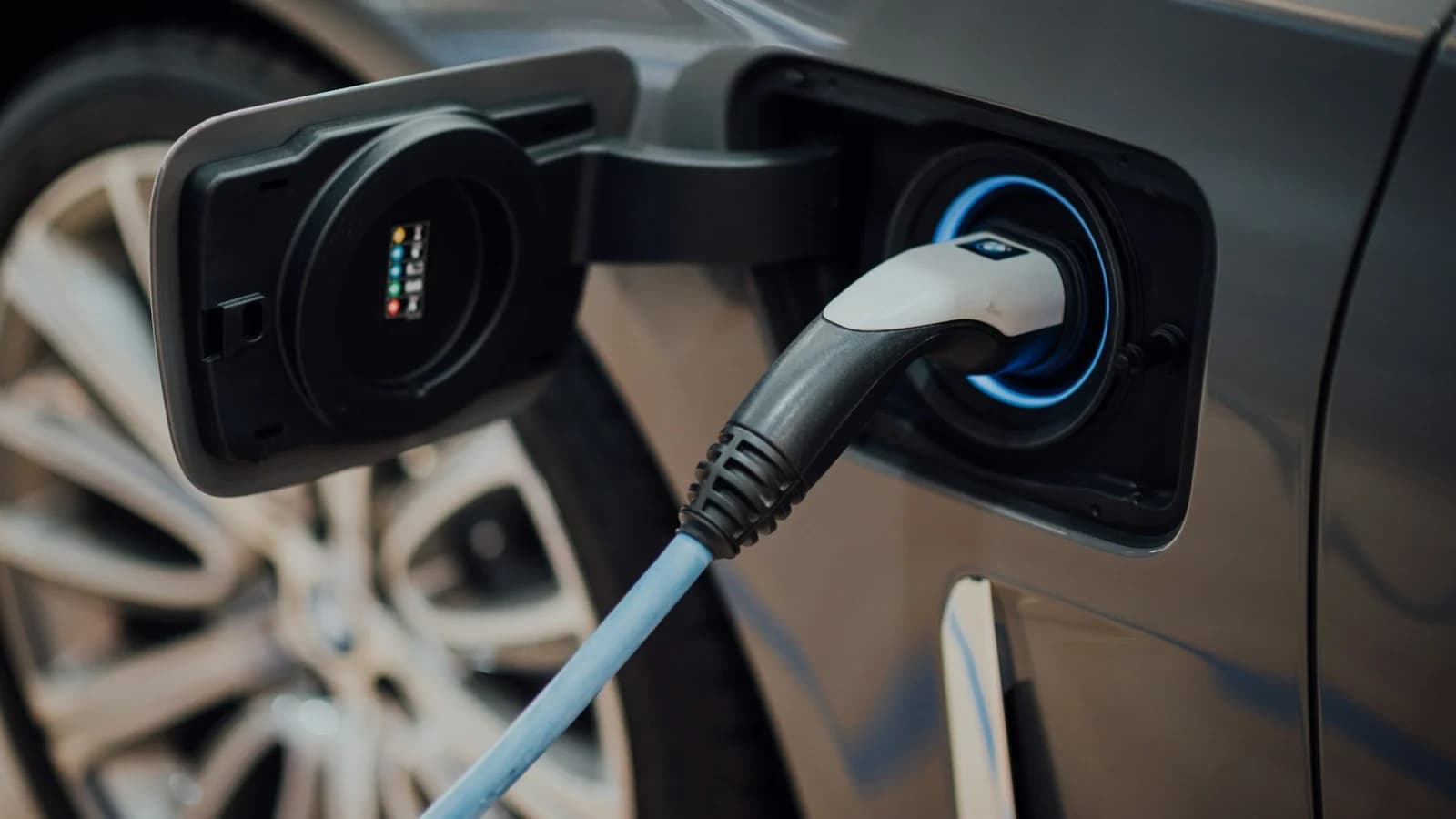
A close-up of a charging connector and cable plugged into an electric car.
Photo by CHUTTERSNAP on Unsplash
ConnectorsJuly 3, 20267 min read

NACS vs CCS vs CHAdeMO Explained

Connector confusion is one of the most common worries for new EV drivers. The good news: the landscape has consolidated, and one adapter usually covers the gap.

NACS — the North American standard

NACS (North American Charging Standard) began as Tesla's proprietary plug and has been standardized by SAE International as J3400. Nearly every major automaker selling EVs in North America has either moved to it or committed to doing so. It's compact, handles both AC and DC charging through one design, and opens up the Tesla Supercharger network — the largest fast-charging network in North America and one widely regarded as among the most reliable.

The switch is happening model by model, not all at once. Some new EVs already ship with a native NACS port; others still have a CCS1 port and reach Superchargers through a manufacturer-approved adapter. Before you buy, check which port the exact model year has and whether an adapter is included.

CCS — the global workhorse

CCS (Combined Charging System) adds two DC pins beneath the AC connector — the J1772-based CCS1 in North America, and the Type 2-based CCS2 in Europe and many other markets. Millions of EVs on the road use CCS, and many public fast-charging networks offer CCS plugs alongside (or instead of) NACS, so CCS cars will keep plenty of options for years.

In Europe, CCS2 is the fast-charging standard — even Teslas sold there use it. The North American NACS transition doesn't change anything for European drivers.

CHAdeMO — the legacy connector

CHAdeMO, developed in Japan, powered much of the first fast-charging wave — earlier Nissan Leaf generations and the Mitsubishi Outlander PHEV used it. Few new vehicles outside Japan use CHAdeMO today, and new public stations in North America and Europe increasingly leave it out. If you drive a CHAdeMO car, plan routes around confirmed stations — and check station details carefully before relying on one.

Which adapter should you actually buy?

  • NACS car → CCS1 fast chargers: a CCS1-to-NACS DC adapter opens up third-party CCS networks — confirm your car supports it (most recent Teslas do; older ones may need a retrofit).
  • CCS1 car → Superchargers: a NACS-to-CCS1 DC adapter approved by your car's manufacturer, plus Supercharger access enabled for your model.
  • J1772-to-NACS AC adapter: small, inexpensive, and worth keeping in the glovebox if your car has a NACS port, since most public Level 2 chargers still use J1772.
  • CHAdeMO adapters exist but are expensive and support varies by vehicle — only worth it for specific route needs.
FAQ

Common Questions

Is NACS replacing CCS everywhere?

Only in North America (the US, Canada, and Mexico). Europe and many other markets use CCS2 with Type 2 for AC charging, China uses its own GB/T standard, and CHAdeMO remains common in Japan.

Can I charge a CCS car at a Tesla Supercharger?

At many Superchargers, yes — if your car's manufacturer has enabled Supercharger access, either via a native NACS port, a manufacturer-approved adapter, or at the limited number of sites with a built-in "Magic Dock" adapter. Some older Supercharger stalls aren't compatible with non-Tesla cars, so check the Tesla app or the station details before you rely on it.

Do connector types matter for home charging?

Less than for fast charging. Home AC charging uses J1772 or NACS in North America and Type 2 in Europe, and inexpensive adapters bridge J1772 and NACS in both directions.

Recommended Gear

Gear That Pairs With This Guide

As an Amazon Associate, EV-Lectric earns from qualifying purchases.

Lectron Level 2 J1772 Charger (WiFi Version)
Chargers

Lectron Level 2 J1772 Charger (WiFi Version)

A portable Level 2 charger for drivers who want app-connected home charging without a permanent wall-box install.

Price on AmazonView product
EVIQO Level 2 NACS Charger Compatible with Tesla
Chargers

EVIQO Level 2 NACS Charger Compatible with Tesla

A Tesla-ready home charger for NACS drivers who want a clean Level 2 setup without relying on adapters.

Price on AmazonView product
EVIQO EV Charger Level 2 48 Amp Hardwired Station
Chargers

EVIQO EV Charger Level 2 48 Amp Hardwired Station

A higher-output home charging station aimed at drivers who want a more permanent garage setup with strong daily charging capacity.

Price on AmazonView product
Keep Reading

Related Guides

A charging plug seated inside an electric vehicle's illuminated charging port.Connectors

J1772 vs NACS: What EV Drivers Need to Know

The two North American AC connectors compared: which cars use J1772 and NACS, how adapters bridge them, and what the transition means for home charging.

Read guide
Philadelphia's skyline above the Schuylkill River at sunset.City Guides

EV Charging in Philadelphia

Where to charge an EV in Philadelphia: Center City garages, fast-charging corridors on I-95 and I-76, rowhouse charging strategies, and winter tips.

Read guide
The Empire State Building and Manhattan skyline in New York City.City Guides

EV Charging in New York

Charging an EV in New York City: curbside Level 2, fast hubs in the boroughs, garage charging in Manhattan, and strategies for apartment dwellers.

Read guide