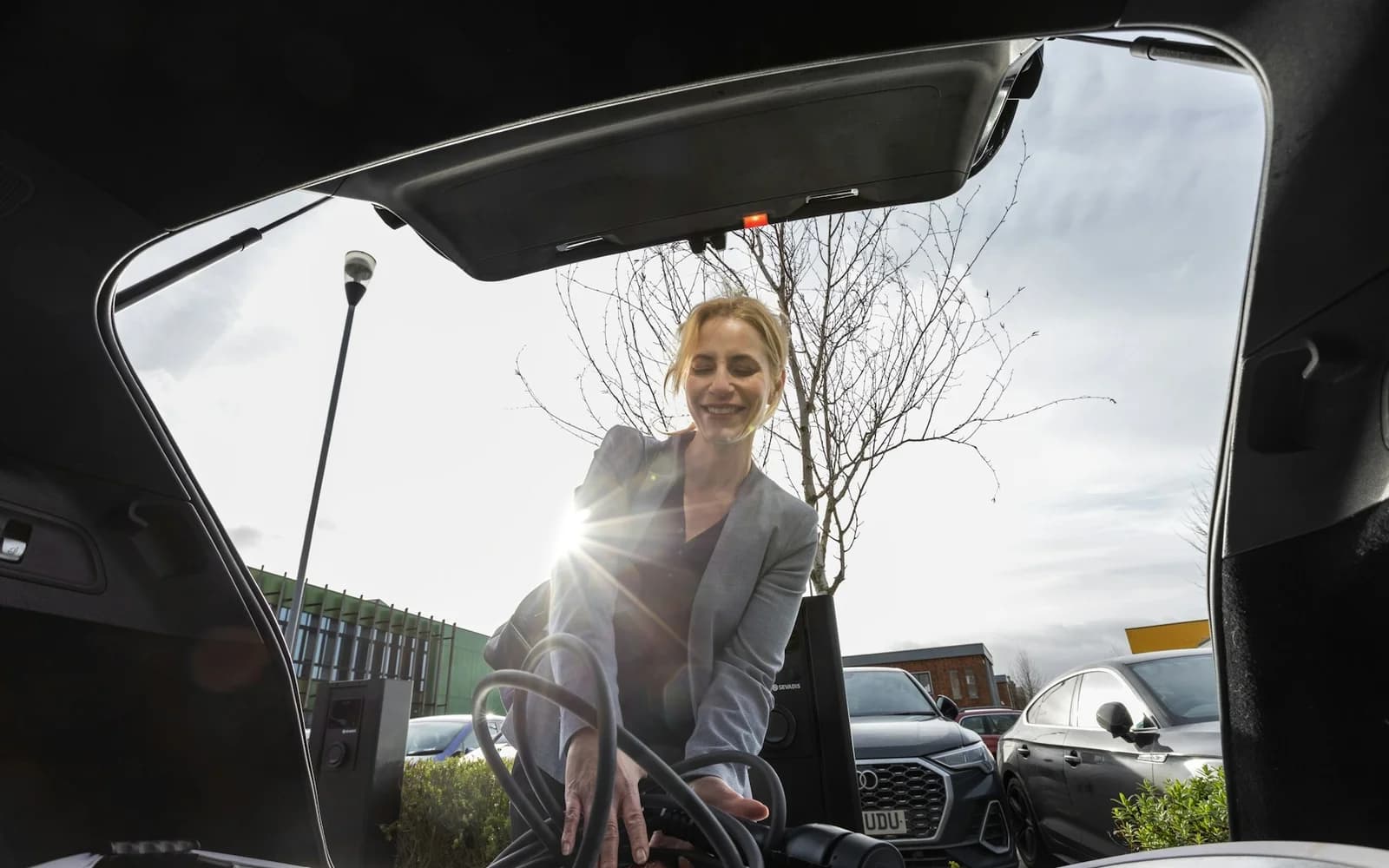
First: the two-minute rescue checklist
- Try a different stall — most "broken station" reports are actually one broken plug at a multi-stall site.
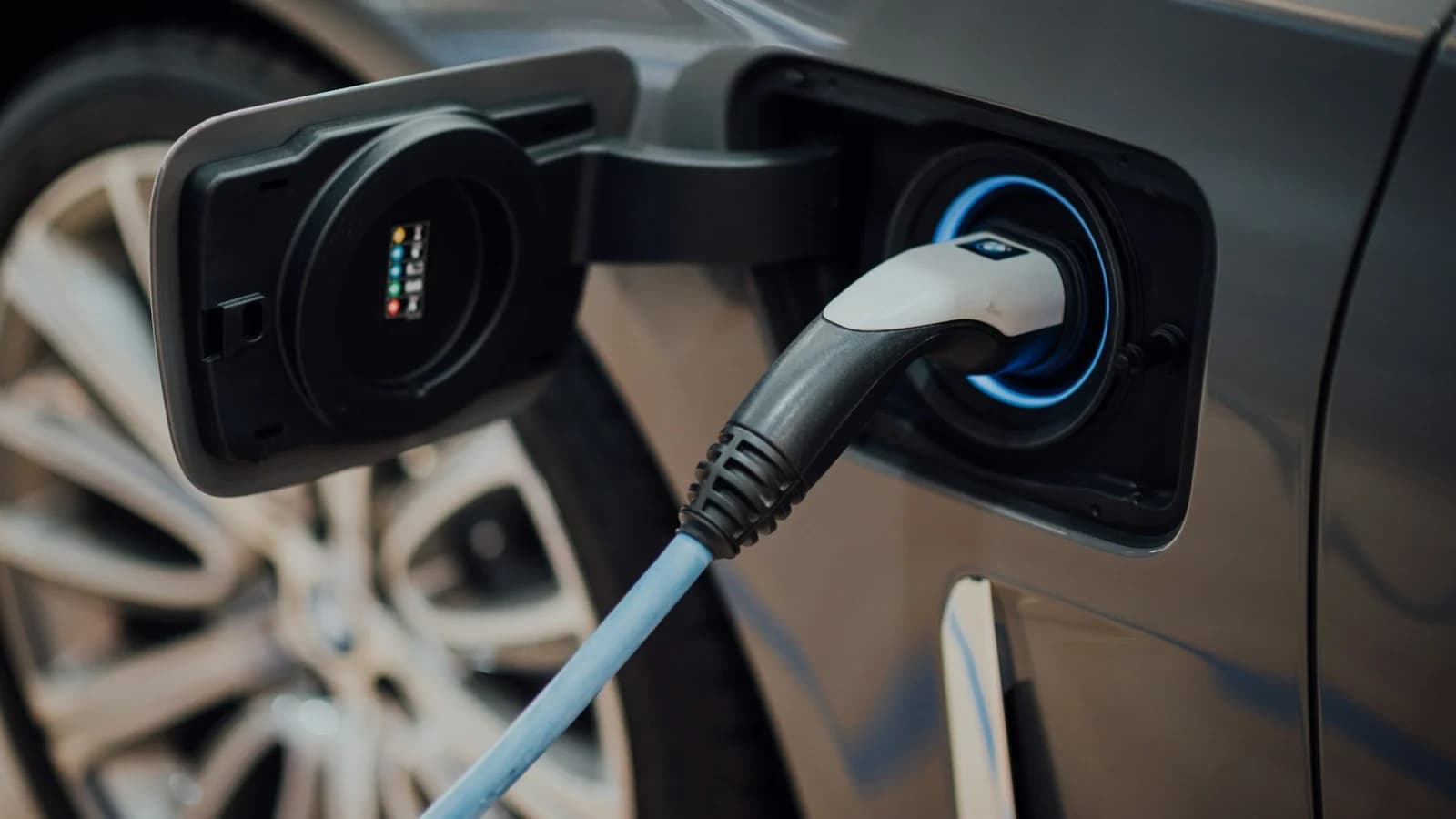
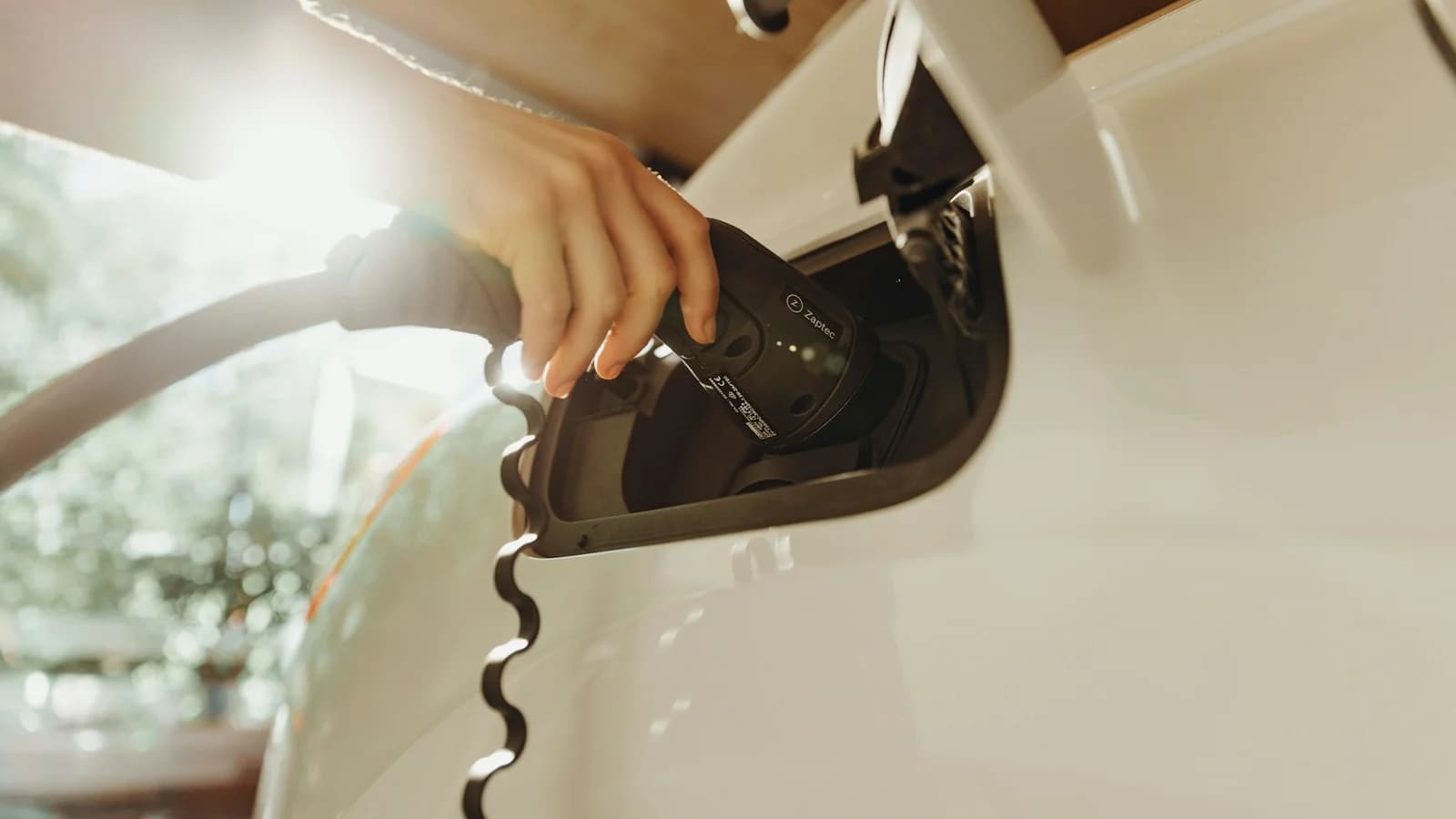
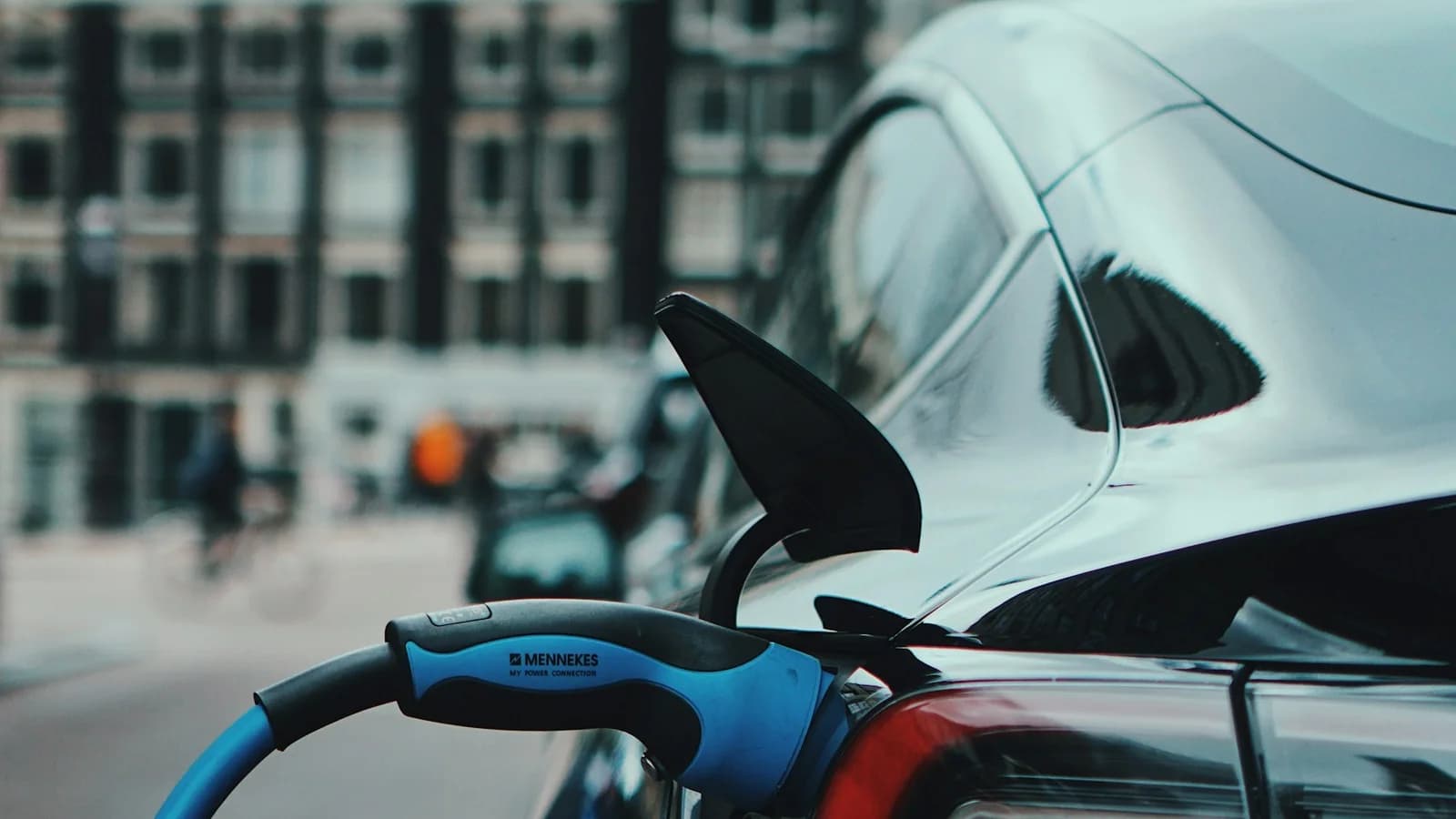
- Reseat the connector firmly; half-seated plugs are the most common failed-handshake cause.
- Restart the session from the app or card reader rather than re-plugging repeatedly.
- Check your own car's scheduled-charging settings — a car set to charge at midnight will sit silently at 0 kW.
- On paired cabinets, move to a stall on the other cabinet; a hung power unit affects its pair.
If it's genuinely dead
Report it in the network's app or to the support number posted on the charger — operators use these reports to find faults, and some will credit you for a failed or interrupted session. Then leave a comment or check-in on Open Charge Map or the network's app so the next driver isn't surprised. If the site is your only option and you're low, call the network's support line: operators can sometimes remotely restart a charger or start a session for you.
The planning habits that make failures boring
Arrive with margin: plan fast-charging stops at 15–20% remaining, not 3%, so a dead site costs you a detour instead of a tow. Prefer stations with four or more stalls — the odds of every plug being down at once are much lower at a big site than at a single-charger stop. And always know your plan B before you need it: a backup charger within ten minutes turns a failure into an anecdote.
The gear that saves the day
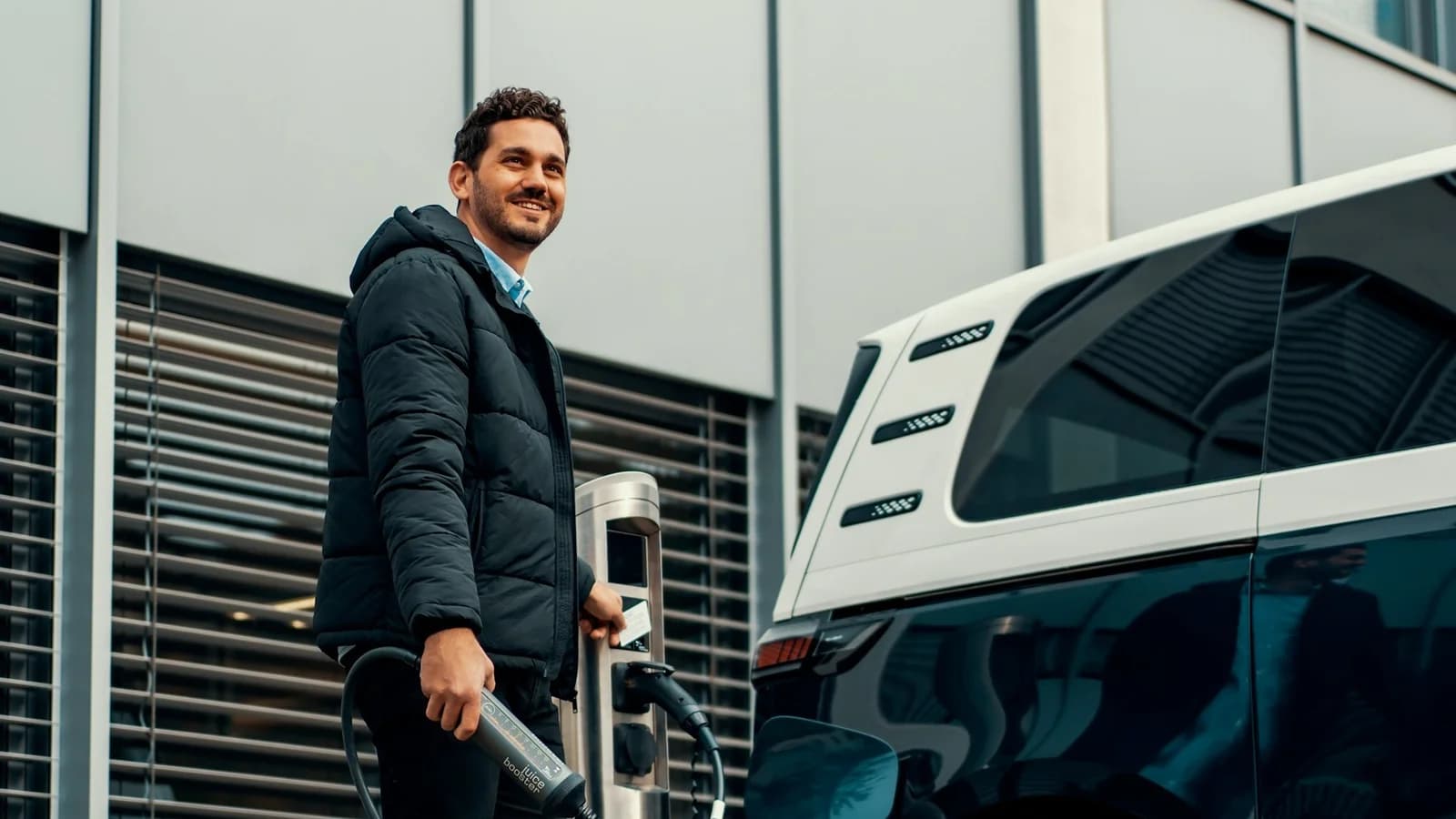
A connector adapter doubles your usable stations on the spot — a dead CCS hub matters less when the Supercharger across the road works. A portable Level 2 unit is the deep fallback: any RV park or garage outlet becomes a slow but sure recovery point.